The Finish Is the Whole Point
Scraping a popcorn ceiling gets rid of a problem; retexturing is what gives you a ceiling worth looking at. It's also a standalone service. Plenty of Omaha calls have nothing to do with popcorn at all — a water-stain repair that no longer matches the surrounding stomp texture, a 1990s knockdown ceiling gone patchy after a remodel, or a homeowner who simply wants the clean gallery look of a dead-flat ceiling in a house that never had one. In every case the job is the same craft: build a uniform surface overhead that light can travel across without snagging on flaws.
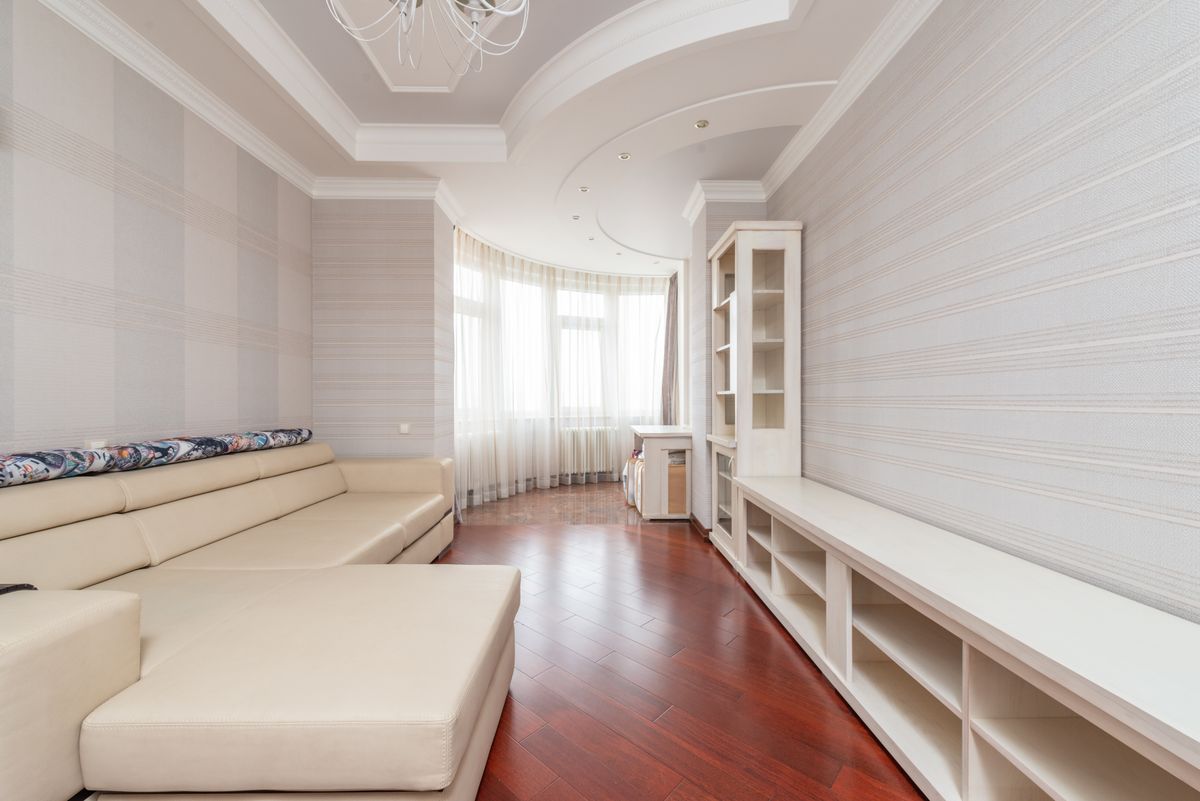
That last part matters more in Nebraska than most places. Our low winter sun pours through south and west windows at a shallow angle for months, and raking light is the harshest inspector a ceiling ever faces. Finishes that survive it are applied evenly, sanded properly, and primed before paint — shortcuts show up every December like clockwork.
The Four Finishes Omaha Homes Actually Have
Level-5 smooth
The modern standard in new custom builds and high-end remodels: a full skim coat over the entire ceiling, sanded flat, with zero intentional texture. It makes rooms feel architectural and photographs beautifully, but it forgives nothing — expect the most labor and the highest price of the four.
Knockdown
Splattered compound that's lightly flattened with a wide knife once it tacks up, leaving a low mottled pattern. It's the metro's favorite compromise: contemporary-looking, quick to apply, and genuinely good at hiding minor surface sins on 50-year-old drywall.
Orange peel
A fine sprayed stipple, like the skin of its namesake. Common on walls throughout newer Omaha subdivisions, so carrying it onto ceilings keeps everything consistent. Subtle, cheap, and easy to touch up later.
Stomp & swirl patterns
The crow's-foot stomp, fan swirls, and rosebud patterns stamped into wet compound with a texture brush are pure Midwest — you'll find them all over ranches and split-levels from Ralston to Papillion. Matching an existing stomp after a repair is a legitimate specialty skill, and it's one of the most common requests we see.
How a Retexturing Project Runs
Assess what's up there now
Existing texture type, paint history, and any damage get identified first. Pre-1990s texture that will be disturbed gets the lab test before anything else happens.
Prep and protect
Rooms are masked in plastic, fixtures drop or get bagged, and vents are sealed — spray texture travels farther than people expect.
Correct the surface
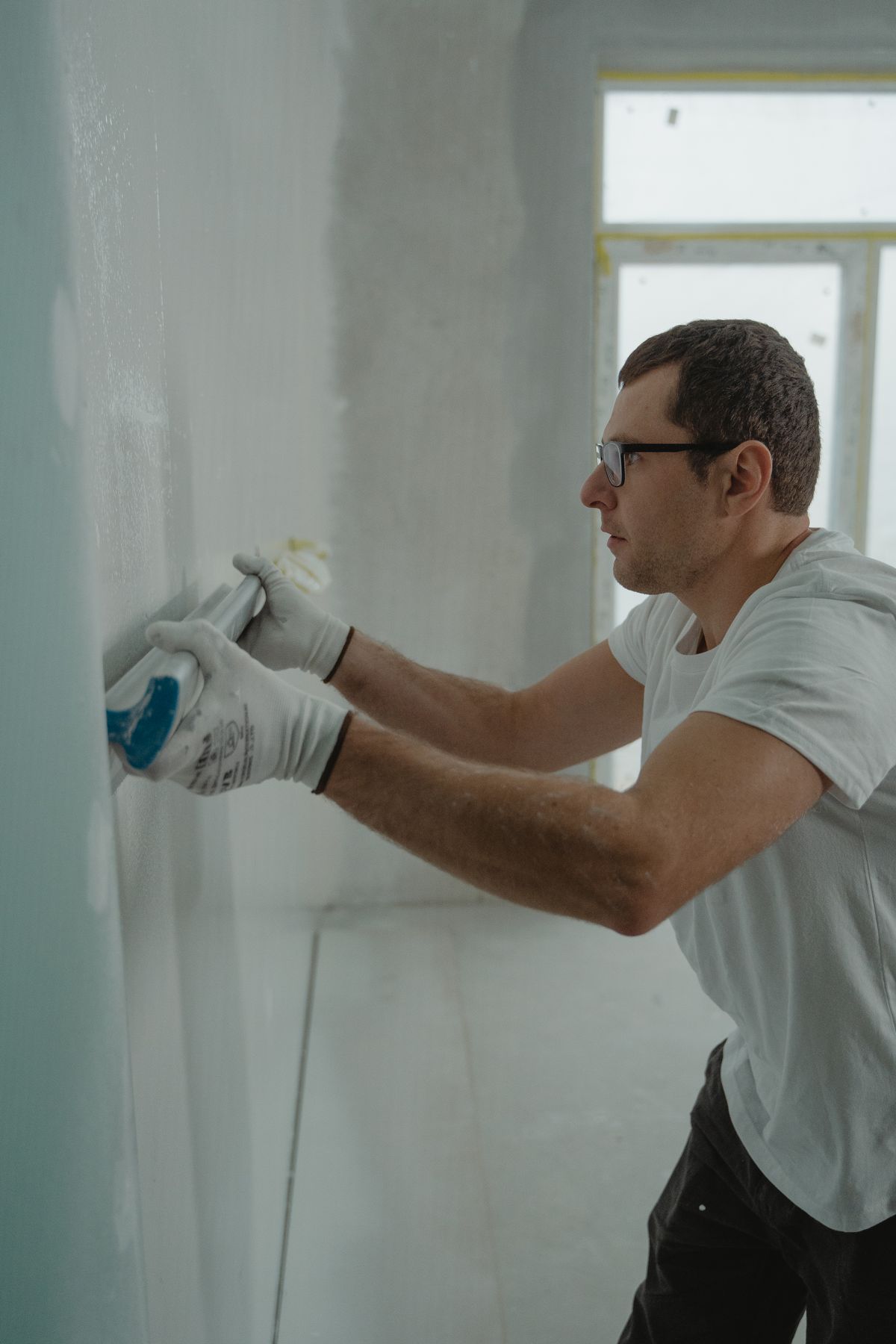
Seams, cracks, and drywall repairs are completed and feathered out. Texture decorates a surface; it doesn't fix one.
Prime for suction control
Bare compound and old paint absorb moisture at different rates, which mottles fresh texture. A primer coat evens the surface's thirst so the pattern lays down uniformly.
Apply the finish
Spray rigs for orange peel and knockdown, hawk-and-brush work for stomp patterns, or repeated skim-and-sand passes for smooth. Pattern, splatter size, and knockdown timing are matched to your existing rooms or to a sample board you approve.
Paint it
New texture drinks paint, so finishing with primer and two coats of flat ceiling white is part of a complete job. Details on the painting stage here.
Retexture, or Remove and Start Over?
If your ceiling is flat drywall with a finish you've simply stopped loving, retexturing directly over it is fast and economical. If it's popcorn, the honest answer is usually removal first: new texture sprayed over old acoustic texture bonds poorly, adds weight, and locks the dated surface underneath your new one. The exceptions — positive asbestos tests and heavily painted texture — are usually better served by encapsulation with new 1/4" drywall, which yields a factory-fresh surface for any finish you want. A free quote prices your options side by side so the math is visible before you commit.
Think About Your Lighting Before You Pick
Texture and lighting are a package deal, and it's worth deciding them together. Recessed LED cans — the fixture half of most Omaha ceiling updates — wash light down the ceiling plane at a steep angle, which flatters smooth and fine orange peel but can exaggerate a heavy knockdown into visible shadow blotches near each trim ring. Flush-mount fixtures and fans are gentler on texture; big south windows are the harshest critics of all. If your removal project includes adding can lights (the wiring is exposed anyway, so it's the cheapest moment you'll ever have), tell the pro before the finish is chosen — a sample panel held under the actual light angle answers in ten seconds what a paint-store brochure never will.
Matching Texture After Repairs — the Local Specialty
The most common retexturing call in Omaha isn't a whole house; it's one ceiling. A bathroom fan upgrade left a drywall patch in the hallway. An ice dam stained the corner of a bedroom and the repair sits there like a scar. The furnace installer cut an access hole in 1997 and nobody ever blended it in. Matching the surrounding pattern — same splatter scale, same knockdown pressure, same stomp brush — and then repainting the full plane so sheen is uniform is what makes a repair disappear. Painting only the patch, however carefully, almost always leaves a visible halo; painting corner to corner is the professional habit that fixes it.
What Retexturing Costs Around Omaha
As a standalone service over sound, prepped drywall, sprayed finishes like orange peel and knockdown commonly run $1–$2.50 per square foot including paint, while full level-5 smooth conversions run $2–$4 per square foot and up because of the repeated skim coats. Single-room texture matching after a repair is usually quoted as a small flat project rather than by the foot, since setup and color blending dominate the time. Two things reliably move these numbers: ceiling height (staging a split-level stairwell or vaulted family room adds real hours) and the condition of what's underneath (a ceiling full of nail pops and loose tape needs repair work before texture, not texture instead of repair). If popcorn removal is part of the same project, see the full cost guide for combined pricing.
Could you rent a hopper gun and spray it yourself? Mechanically, yes — and orange peel on a closet ceiling is a fine first project. But texture is a one-take performance: compound consistency, air pressure, pass speed, and knockdown timing all have to land at once, overhead, with no undo button. Most DIY texture regret comes from discovering this on the living room ceiling instead of the closet.
Retexturing Questions, Answered
Which finish adds the most value to an Omaha home?
Buyers respond to consistency more than to any specific pattern. A house that's all crisp knockdown shows better than one mixing popcorn bedrooms with a smooth living room. If you're updating to sell, matching your best existing rooms is usually smarter than introducing a third finish.
Can you match my 1970s swirl pattern exactly?
Very close is achievable; identical is honest-answer rare, because the original finisher's brush, compound mix, and wrist are all unique. The standard practice is to blend the pattern outward and repaint the entire ceiling plane, at which point the difference stops being findable in normal light.
How long before the room is usable again?
Sprayed finishes are typically applied and dry to the touch the same day, with paint the following day. Smooth-finish work runs longer because each skim coat needs to dry before sanding — two to four days for a typical room depending on season and humidity.
Is textured or smooth better for resale around here?
In Omaha's mid-range neighborhoods, clean knockdown is completely accepted and cost-effective. In higher-end updates — think renovated District 66 or new-build comparisons out west — smooth ceilings increasingly read as the premium choice. Your agent's read on the specific street beats any general rule.
Pick a Finish You'll Love for Decades
Free quotes on retexturing, patch matching, and full removal-and-refinish projects across the Omaha metro.